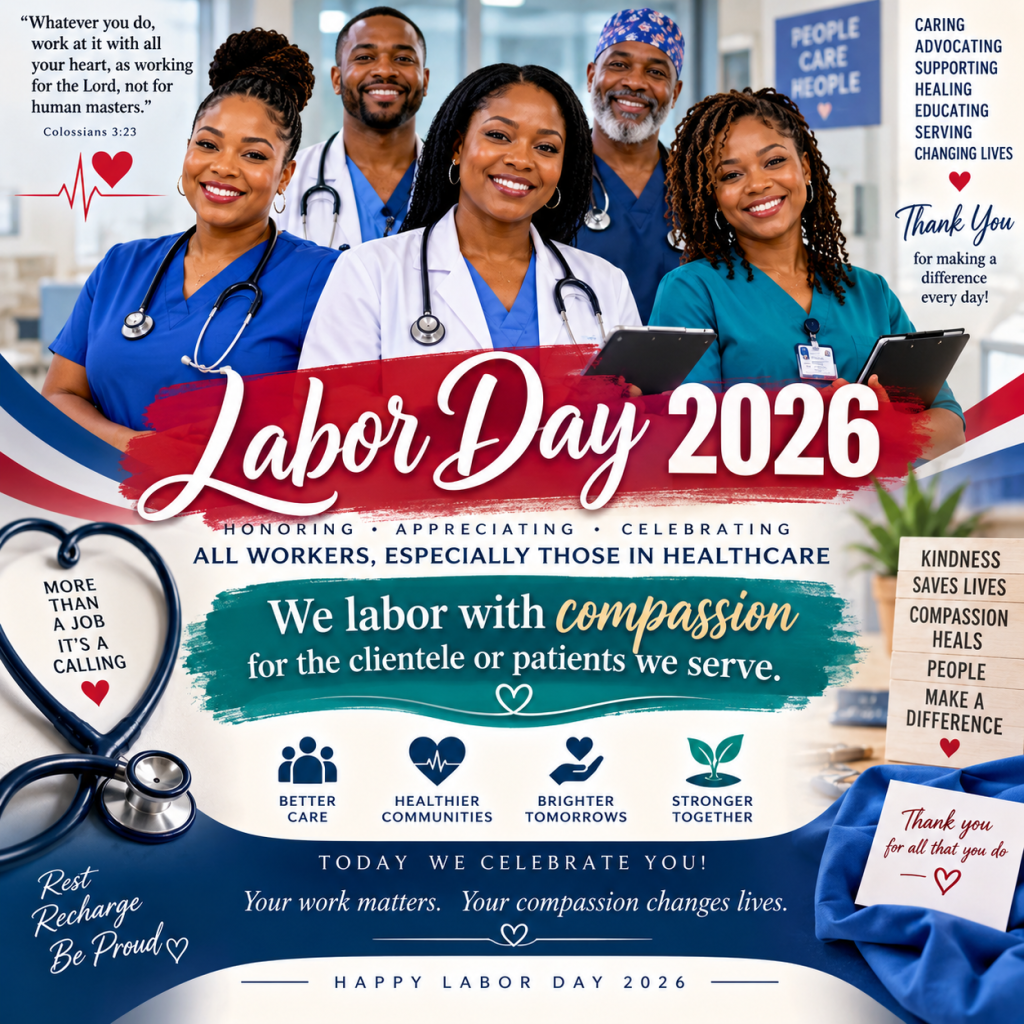
Labor Day has a much deeper history than the unofficial “last weekend of summer.” It grew out of the American labor movement and workers’ demands for dignity, fairer conditions, reasonable hours, and recognition of their contribution to the country.
From the 1800s to Labor Day today
Late 1800s — difficult working conditions: Industrialization created enormous economic growth, but many workers faced long hours, low wages, dangerous workplaces, child labor, and few protections. Labor organizations increasingly pushed for better conditions and greater bargaining power.
September 5, 1882 — the first Labor Day: About 10,000 workers gathered in New York City for what is generally recognized as the first Labor Day parade. Organized by the Central Labor Union, the event combined a workers’ march with a picnic, speeches, and celebration.
Department of Labor
Who created Labor Day? There is still debate. Labor leaders Peter J. McGuire and Matthew Maguire have both been credited with proposing the idea. The U.S. Department of Labor acknowledges that the historical record does not definitively settle the question.
Department of Labor
1887 — states begin recognizing it: Oregon became the first state to officially recognize Labor Day, followed by Colorado, Massachusetts, New Jersey, New York and eventually many others.
Department of Labor
1894 — a major turning point: The Pullman Strike became a major national labor conflict. Federal troops were deployed, the strike was crushed, and the episode highlighted the intense conflict between workers, corporations and government during the industrial era.
Department of Labor
June 28, 1894 — Labor Day becomes a national holiday: Congress passed legislation and President Grover Cleveland signed it, establishing the first Monday in September as Labor Day. By then, many states were already observing it.
Department of Labor
What happened to the original meaning?
Over the decades, Labor Day gradually became associated with cookouts, vacations, shopping, sporting events and the unofficial end of summer. The Library of Congress notes that today’s celebration is generally less connected with union activities and protest marches than it once was.
Library of Congress
But its original purpose hasn’t disappeared.
Labor Day is fundamentally a day to recognize the social and economic achievements of American workers and their contribution to the country’s prosperity and well-being.
Department of Labor
And that history gives the holiday special meaning today. Behind the three-day weekend are generations of ordinary people who worked, organized, marched and advocated for greater dignity in the workplace.
So when we say “Happy Labor Day,” we’re celebrating more than having Monday off.
We’re honoring the nurse working a 12-hour shift, the teacher preparing tomorrow’s lesson, the factory worker, social worker, truck driver, construction worker, counselor, sanitation worker, cashier, caregiver, small-business employee, first responder and every person whose labor helps keep communities functioning.
Labor Day began with workers saying, in effect:
Our work matters. Our families matter. Our safety matters. Our time matters. And our lives are worth more than the labor we produce.
More than 140 years after that first march, that message is still worth remembering.


 Resilient Inspired Spiritual Excellence R.I.S.E.