By Shakera Williams, MSW, LCASA, LCSWA | Blogger & Content Creator
The Importance of Putting Yourself First.
There comes a point in life when you realize that constantly saying “yes” to everyone else can mean saying “no” to yourself.
No to your peace.
No to your rest.
No to your happiness.
No to your boundaries.
No to the things that truly matter to you.
For many of us, saying “no” can feel uncomfortable. We may worry about disappointing people, being misunderstood, appearing selfish, or being seen as someone who doesn’t care.
But here is something we have to learn:
Saying “no” does not make you a bad person. Sometimes, saying “no” is an act of self-respect.
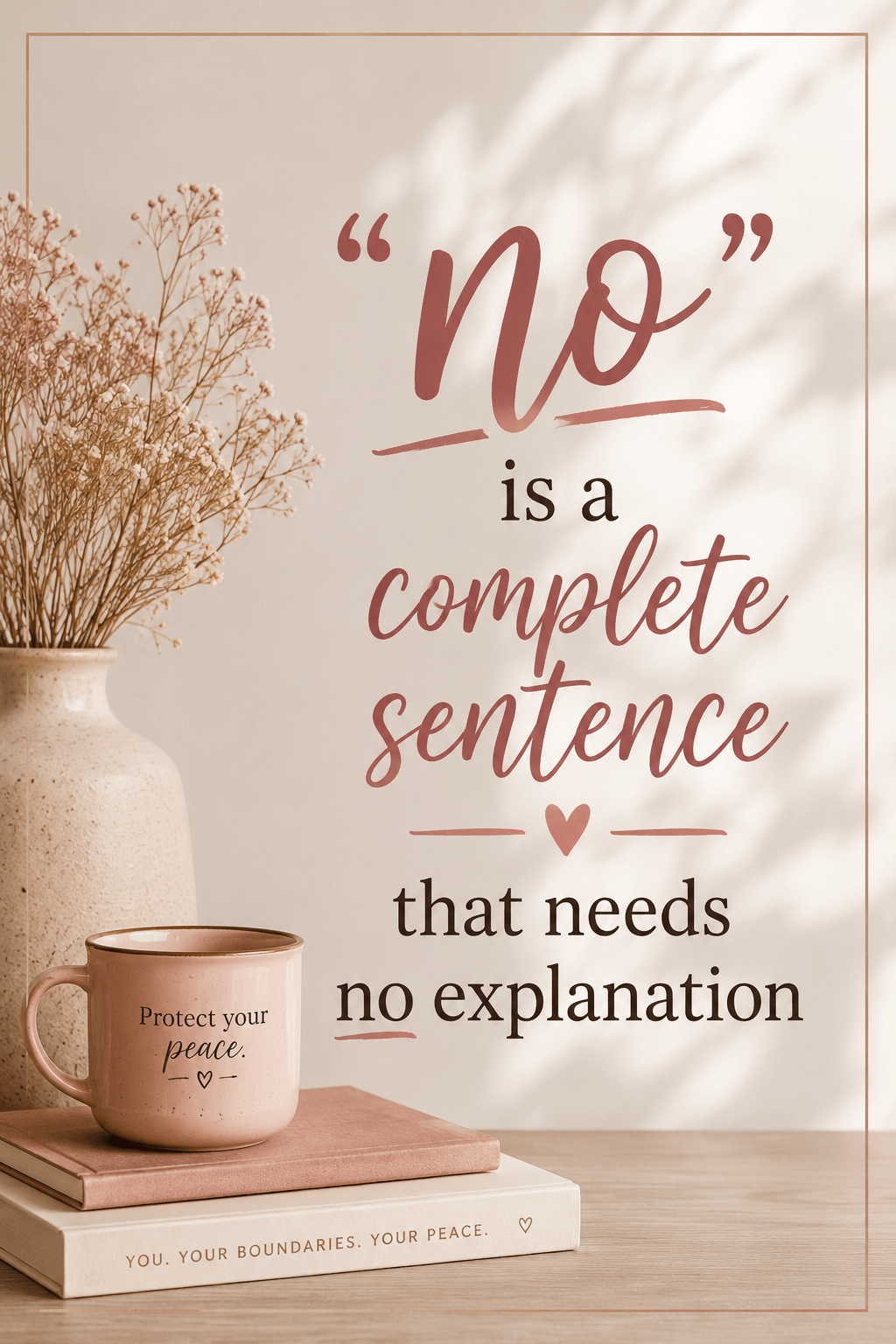
Learning That “No” Is a Complete Sentence
You don’t always owe people a lengthy explanation for protecting your time, energy, and emotional well-being.
You can simply say:
“No, I can’t.”
“I’m not available.”
“That doesn’t work for me.”
“I need to take some time for myself.”
And that’s okay.
We often feel pressured to justify our decisions because we are afraid that someone won’t accept our boundaries. But healthy boundaries don’t require everyone else’s approval.
Sometimes, you have to be comfortable with someone being disappointed because you chose to be honest about what you can and cannot handle.
Stop Feeling Guilty for Putting Yourself First
Putting your needs first doesn’t mean you don’t care about other people.
It means you recognize that you matter too.
You cannot continuously pour from an empty cup. You cannot constantly give your energy away and expect yourself to remain emotionally, mentally, and physically well.
There is nothing wrong with taking a step back.
There is nothing wrong with resting.
There is nothing wrong with protecting your peace.
There is nothing wrong with choosing yourself.
Self-care isn’t selfish.
You Don’t Have to Be Available to Everyone
Everyone doesn’t need access to you.
Everyone doesn’t need an explanation.
Everyone doesn’t deserve your energy.
Everyone doesn’t have to understand your boundaries.
As you grow, you may realize that some relationships, situations, and expectations require more from you than they give back.
That’s when you have to ask yourself:
“Is this helping me, hurting me, or simply draining me?”
Your answer may reveal where you need to establish stronger boundaries.
Saying “No” Creates Space for Your “Yes”
Every time you say “yes” to something that violates your values, overwhelms you, or leaves you exhausted, you may be taking time away from something that genuinely deserves your attention.
Saying “no” creates room for:
– Your goals
– Your family
– Your health and well-being
– Your dreams
– Your healing
– Your faith
– Your creativity
– Your rest
– Your peace
Sometimes the most powerful thing you can say is “not this time.”
You Are Allowed to Change Your Mind
You are not obligated to remain committed to something simply because you previously said yes.
You are allowed to learn.
You are allowed to grow.
You are allowed to recognize that something no longer works for you.
You are allowed to say:
“I’ve reconsidered, and I need to make a different decision.”
Growth sometimes requires changing your boundaries.
Protect Your Peace Without Apologizing for Existing
There is a difference between being selfish and practicing self-preservation.
Selfishness says, “Only I matter.”
Healthy boundaries say, “I matter too.”
You can love people and still have boundaries.
You can support people without sacrificing yourself.
You can be kind without being constantly available.
You can forgive someone without allowing them unlimited access to you.
And you can walk away from situations that no longer serve you without feeling guilty for choosing peace.
Give Yourself Permission
Maybe you’ve spent years trying to make everyone else happy.
Maybe you’ve said yes when you really wanted to say no.
Maybe you’ve allowed people to cross your boundaries because you didn’t want conflict.
Maybe you’re exhausted from constantly being the strong one.
Today, give yourself permission to choose differently.
Give yourself permission to say:
“No.”
“Not today.”
“I need time.”
“I can’t take that on.”
“This isn’t healthy for me.”
“I choose peace.”
Your life should not be measured by how much you can sacrifice for everyone else.
Your worth isn’t determined by how available you are.
You don’t have to earn the right to rest.
You don’t have to explain why you need boundaries.
And you don’t have to abandon yourself to prove that you love someone else.
Final Thoughts
Learning to say “no” is a journey. It may feel uncomfortable at first, especially if you’ve spent years putting everyone else’s needs before your own.
But with practice, you begin to understand that “no” can be a powerful form of self-care.
So protect your peace.
Honor your boundaries.
Listen to your needs.
Make room for yourself.
And remember:
You can love others without losing yourself.
You can be there for others without abandoning yourself.
You can say “no” without feeling guilty.
And sometimes, the greatest “yes” you can give is the one you finally give to yourself.
Choose yourself. Protect your peace. Honor your worth.
Because you matter too.


 Resilient Inspired Spiritual Excellence R.I.S.E.