Loving Yourself Past Your Trauma
Trauma has a way of leaving scars that aren’t always visible to the human eye. It can affect the way you see the world, others, and even yourself. For many, trauma whispers lies — that you’re broken, unworthy, or beyond repair. But God’s truth says something entirely different: you are fearfully and wonderfully made, deeply loved, and fully redeemable.
Loving yourself past your trauma isn’t about ignoring your pain; it’s about walking with God through it. It’s learning to see yourself the way He sees you — whole, precious, and full of purpose.
—
1. Acknowledge the Wound, but Don’t Let It Define You
Trauma is a part of your story, but it is not your identity. God does not define you by your pain; He defines you by His promises.
📖 “Therefore, if anyone is in Christ, the new creation has come: The old has gone, the new is here!” — 2 Corinthians 5:17
You are not who you were when the trauma happened. God has been shaping you into something new, even if you can’t see it yet.
2. Speak Life Over Yourself
Negative self-talk often grows from the seeds of trauma. Replacing those lies with God’s truth is a powerful step toward healing.
📖 “Death and life are in the power of the tongue, and those who love it will eat its fruits.” — Proverbs 18:21
When the voice of trauma says, “You’re not enough,” respond with, “I am enough because God says I am.” Speak kindness and grace over yourself daily.
3. Rest in God’s Love
When you’ve experienced deep pain, it can be hard to trust love — even God’s love. But His love is perfect, unconditional, and constant.
📖 “The Lord your God is with you, the Mighty Warrior who saves. He will take great delight in you; in his love he will no longer rebuke you, but will rejoice over you with singing.” — Zephaniah 3:17
Let this truth wash over you: God delights in you. He rejoices over you. That alone makes you worthy of love — from Him and from yourself.
4. Forgive Yourself
Sometimes, the hardest person to forgive is ourselves. Trauma can make us carry guilt or shame that was never ours to bear.
📖 “As far as the east is from the west, so far has He removed our transgressions from us.” — Psalm 103:12
If God, in His perfect holiness, has forgiven you, you have the right to forgive yourself too.
5. Embrace the Healing Process
Healing from trauma is rarely quick. It’s a journey of small steps, setbacks, and victories. But each step forward is proof of your resilience.
📖 “He heals the brokenhearted and binds up their wounds.” — Psalm 147:3
You don’t have to rush the process. God is walking with you, gently restoring what was lost.
Final Encouragement
Your trauma may have shaped you, but it does not own you. You are loved beyond measure by the One who created you, and His plan for you is still good. Choosing to love yourself past your trauma is not selfish — it’s obedience to God’s truth about who you are.
📖 “I praise you because I am fearfully and wonderfully made; your works are wonderful, I know that full well.” — Psalm 139:14
You are worthy. You are loved. You are still here — and that is a victory in itself.
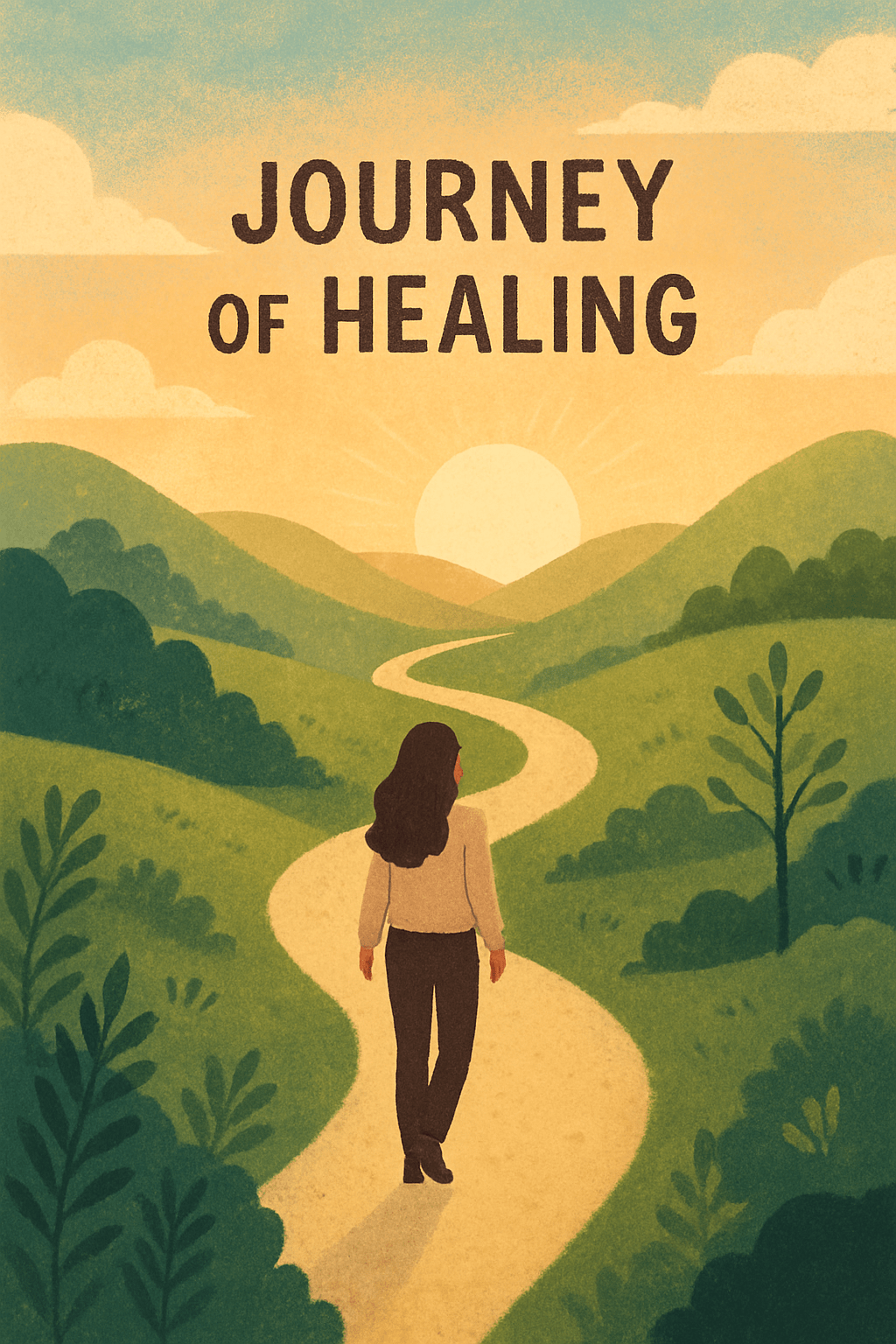
A Journey of Healing and Faith


About the author
Shakera has been known to beat all the odds of battling mental health challenges and pursuing her dreams. She is also the author of four books. A memoir of her battle with mental illness titled “The Dealt Hand: The Story of my Battle with mental illness”, The Art of Resilience: Dreaming and Overcoming the Challenges of Life, Resilient Inspired Spiritual Excellence (R.I.S.E.), and her newest book “Hues of Stained Glass: Healing from Broken Pieces”. Shakera’s passion for mental health and women comes from her own experiences and overcoming the barriers and challenges in her own life. Shakera understands that she cannot do anything without her relationship with God His grace and the support of her community.
 Resilient Inspired Spiritual Excellence R.I.S.E.